
Why Study Medicine at USask?
Medical doctors are important to the people of our province and world. The USask College of Medicine undergraduate medical doctor (MD) program prepares medical students to become the health professionals we need.
The undergraduate MD program offers the best training for future physicans through:
- experiences in urban, rural, remote and Indigenous communities
- early hands-on opportunities for medical learning
- one-to-one mentorships
- state-of-the-art clinical and research facilities
Explore everything our MD program has to offer below.
The undergraduate medical education (UGME) program is a fully accredited four-year program leading to the Medical Doctor (MD) degree.
As the only medical school in Saskatchewan, the College of Medicine at the University of Saskatchewan has a responsibility to serve the residents of the province.
What you'll learn during your four years of medical school at the USask College of Medicine
Learning Opportunities
While obtaining your MD degree at the College of Medicine, there are many additional learning opportunities to round out your education.
Student Wellness Initiative Toward Community Health (SWITCH) is a student-run inner-city Saskatoon clinic, where you can volunteer and work alongside a doctor, nurse practitioner, cultural support worker, receptionist and other health-care mentors.
In addition to traditional clinical services, SWITCH offers a range of other services including:
- counselling
- physical therapy
- cultural supports
- gynecology
- pediatrics
- pharmacy
- nutritional education
Student Energy in Action in Regina for Community Health (SEARCH) is a student-run, interdisciplinary primary health-care initiative in North Central Regina.
SEARCH has many student volunteers, professional mentors and partners, and services more than 1,000 clients each year. Volunteer opportunities include shadowing and doing initial assessments of clients in the medical clinic.
The electives in Indigenous Health are offered, subject to availability, at:
- All Nations Healing Hospital in Fort Qu’Appelle
- First Nations and Metis Health (Saskatchewan Health Authority, St. Paul’s and Royal University Hospital in Saskatoon, Regina and Prince Albert sites)
- Whitecap Dakota First Nation
- Métis Addiction Counselling Service of Saskatchewan Inc. (MACSI)
A focus will be on providing a culturally safe and relationship-centred care model for First Nations and Métis patients, their families and communities. The elective work is with Indigenous and non-Indigenous community health care professionals and traditional healers (depending on availability) in the provision of care. Depending on the site, clinical experiences may be available.
The clerk will be under the supervision of a preceptor at their approved site who will help determine the clerk’s schedule.
Prior to being approved for an elective, interested students must make an appointment with Val Arnault-Pelletier to discuss their objectives and goals for the elective.
There is Indigenous physician oversight for the electives.
A unique opportunity exists for students to complete their dual MD and MBA degrees. If accepted into the College of Medicine, students can apply to complete an MBA degree in addition to the MD degree. Two applicants are accepted per year.
The program is designed to create effective managers and teach leadership roles in the medical profession.
Campus and Sites
Our province is our campus.
More than 40 sites across Saskatchewan — some permanent, some rotating — will support you while you gain frontline clinical experience and training.
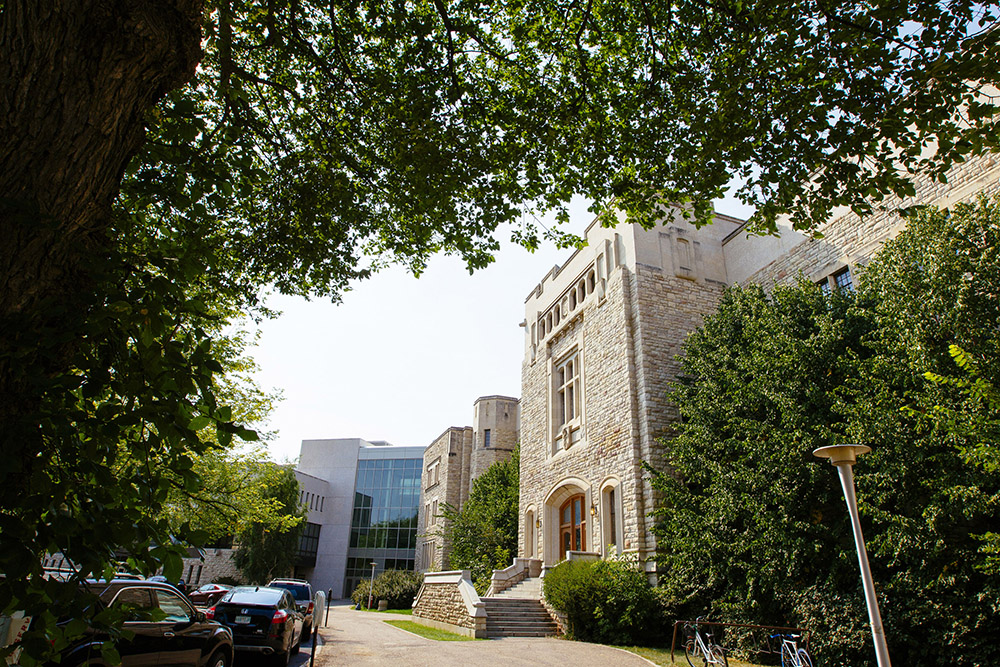
Our Saskatoon campus is located in the newly renovated Health Sciences Building at the University of Saskatchewan.
The Health Sciences Building is home to the Leslie and Irene Dubé Health Sciences Library, classrooms, meeting rooms, breakout rooms, and study spaces. It also hosts educational and research facilities including the Clinical Learning Resource Centre. Located in the E-Wing, the centre is home to skill labs, examination rooms, and procedure and simulation labs.
The college is closely affiliated with Saskatoon's three hospitals: Royal University Hospital, St. Paul's Hospital and Saskatoon City Hospital.
The College of Medicine offers a four-year Doctor of Medicine program in Regina.
Students complete their degree in a hospital setting with access to a state-of-the-art medical simulation centre. Hands-on learning and close proximity to the medical community enrich the experience.
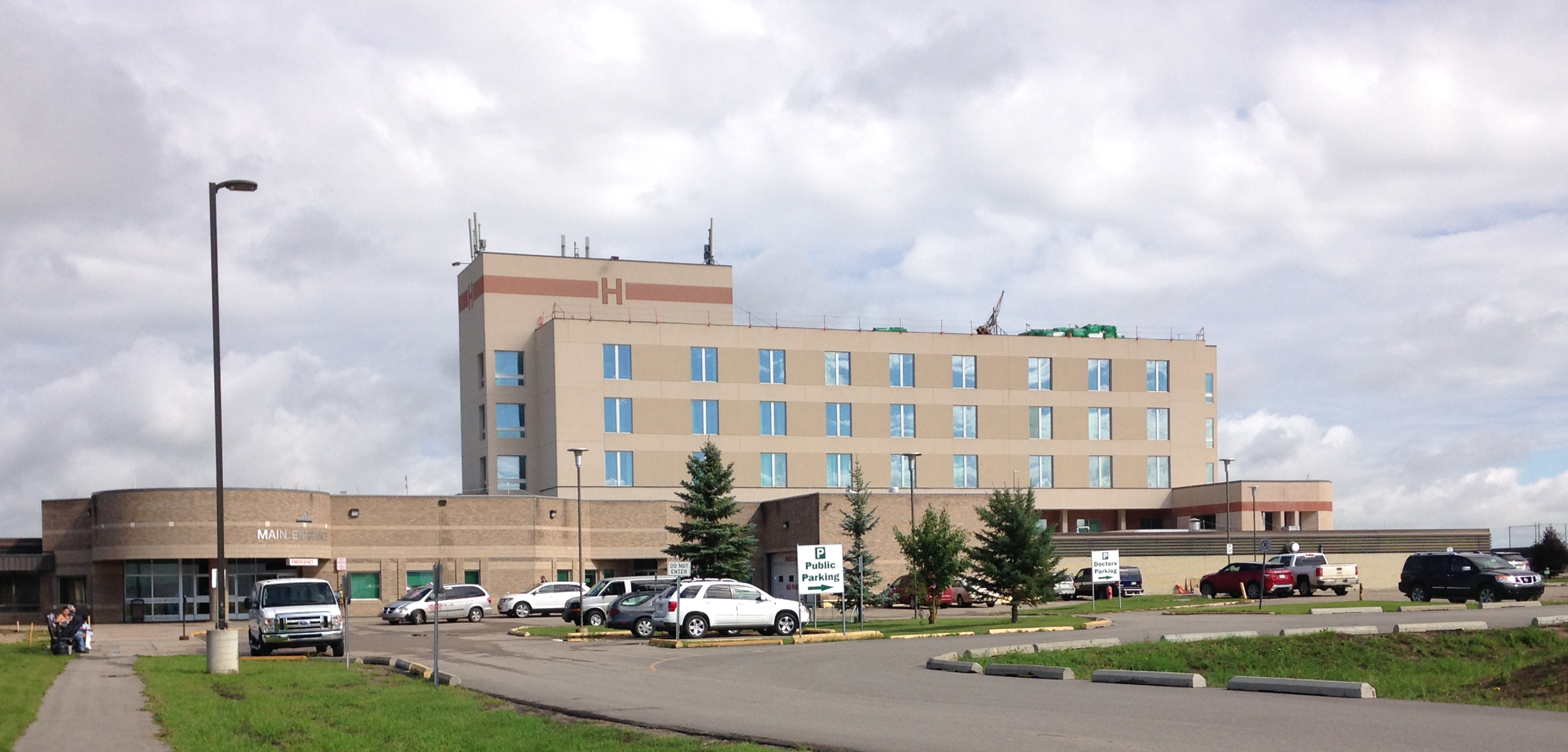
In Years 3 and 4 of the MD program, a small group of students complete their studies at our Prince Albert instructional site at Victoria Hospital.
In addition to inpatient and outpatient experiences, Prince Albert students will experience firsthand exposure to trauma, Indigenous health, public health, addictions medicine and prison health.
The Rural Family Medicine Program is a reflection of the diversity of care at this site. As the third-largest service district in Saskatchewan, the diverse population and health needs are balanced by the broad range of rural, urban and specialty physician services found in Prince Albert.
Thirty per cent of the population is Indigenous. The city's population also has a great proportion of elderly and young patients — with a high birthrate of more than 1,500 deliveries per year, ranging from routine to extreme with complexity.
Victoria Hospital's emergency room is one of the busiest in the province. Ninety per cent of visits are urgent, emergent or critical.
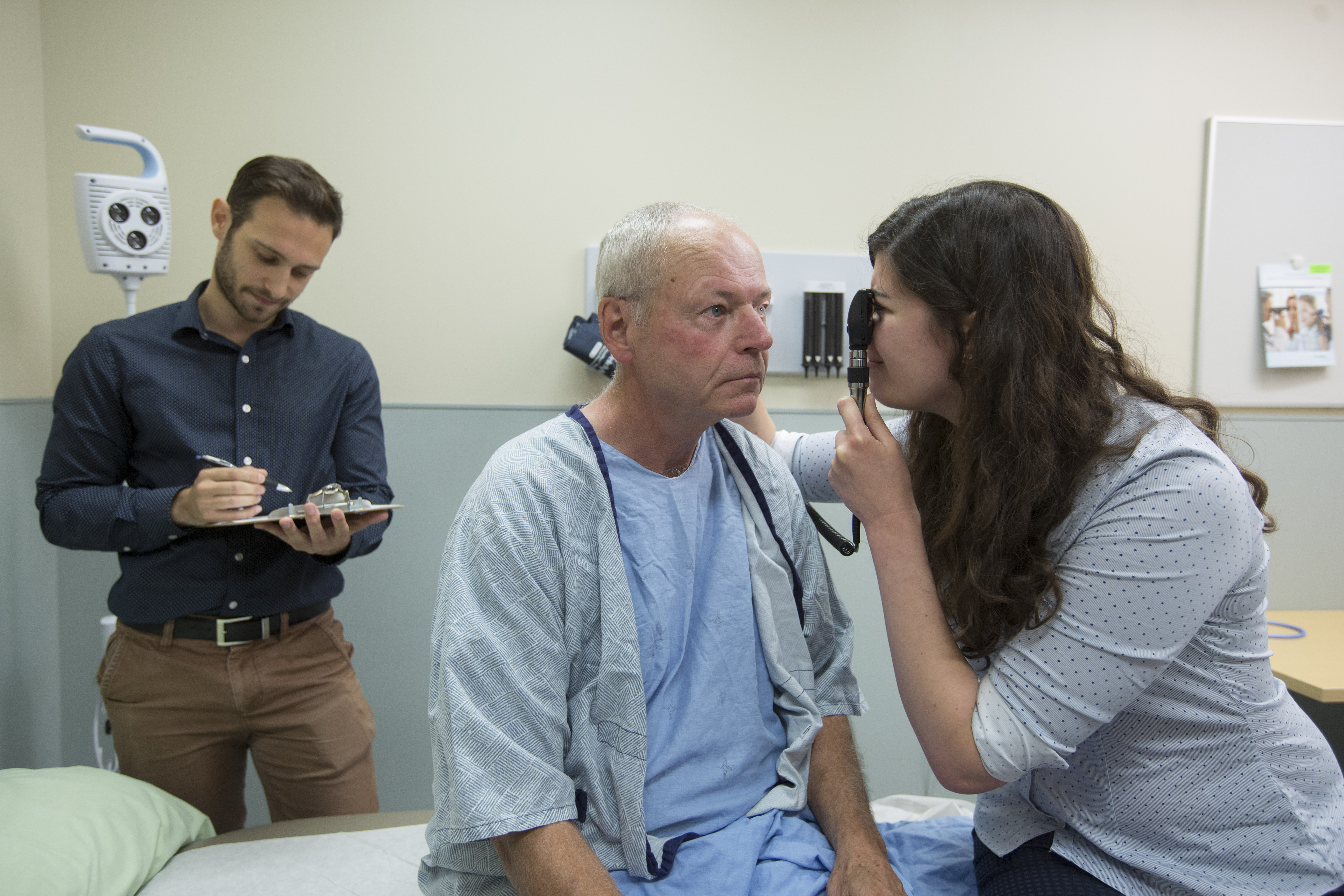
The college offers the Saskatchewan Longitudinal Integrated Clerkship (SLIC) that extends for 48 weeks during Year 3, with up to 2 positions available for students at each of the SLIC sites in Estevan, La Ronge, Meadow Lake and Melfort.
The experience features comprehensive care of patients over time, while meeting the third-year clerkship core clinic competencies across multiple disciplines simultaneously in one teaching environment.
Who Should Apply?
Our college strives to have our incoming MD classes that reflect the diversity of the province. Learn all necessary applicant information by visiting our admissions webpage.
Indigenous Admissions Pathway
The College of Medicine Indigenous Admissions Pathway is designed to support the growing number of Indigenous people choosing to becoming doctors in Saskatchewan.
The program helps to navigate the pathways and resources available to Indigenous students as they train to become physicians.
DSAAP
The Diversity and Social Accountability Admissions Program (DSAAP) considers socioeconomic and other systemic barriers to achieve admission to medical school and takes these factors into account. At the time of application, applicants have the opportunity to complete a completely confidential and voluntary questionnaire that will assess these barriers. Seven seats will be allocated to the DSAAP, which will be informed by the completed questionnaire.
Get Involved
Looking for ways to prepare for medicine? There are groups and clubs that offer opportunities to get involved before applying to USask.
Pre-Medicine Clubs
The Pre-Med Club helps students prepare for all aspects of medical school applications. They offer a range of preparatory and informative sessions such as mock MCATs, MCAT info sessions, multiple mini interview (MMI) prep groups, a mock MMI, a medical school application crash course, a volunteer opportunities info session, and much more.
- Saskatoon: Join the Pre-Med Club by email or via Facebook, University of Saskatchewan (U of S) Pre-Med Club
- Regina: Contact by email or via Facebook, University of Regina (U of R) Pre-Med Club
Student Medical Society of Saskatchewan (SMSS) — As a medical student of the College of Medicine, you will be part of the SMSS, an organization run by medical students for medical students, that advocates for student needs in the classroom, at the college level and in the community. There are also many student interest groups within the SMSS.
Volunteer Opportunities
Consider getting involved as a volunteer at one of the following clinics: